

A funded trading account can suit a trader whose process fits fixed risk limits and who accepts an upfront fee, simulated starting capital and conditional access to live capital. Its main drawbacks are the cost of access, restrictions on position size and exposure, and less flexibility than independent trading.
The useful question is not how much you might earn from a larger account. It is whether the account improves how you execute a process you can already explain and follow. Use the worksheet below to compare those trade-offs with continued practice or trading your own capital.
What are the main funded trading account pros and cons?
For a sports or prediction-market trader, a funded account offers a structured route toward trading program capital. In exchange, the trader accepts the program’s fees, risk restrictions and conditions for progression. Neither a larger account label nor a performance-reward percentage demonstrates that a strategy works.
- Potential advantage: fixed limits provide clear boundaries for position size and total exposure.
- Potential advantage: included tools and education may replace resources you would otherwise obtain separately.
- Potential advantage: qualifying traders can progress from simulation to live program capital.
- Trade-off: the platform fee is an upfront expense, not trading profit or proof of future performance.
- Trade-off: account limits may conflict with your normal sizing or concurrent positions.
- Trade-off: simulated execution does not establish how you will respond when trading live capital.
What does an OddsFantasy funded account cost?
OddsFantasy charges a one-time platform fee for its funded accounts. The available account sizes and fees are:
- $150 account: $19.99 one-time platform fee.
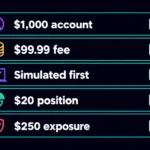
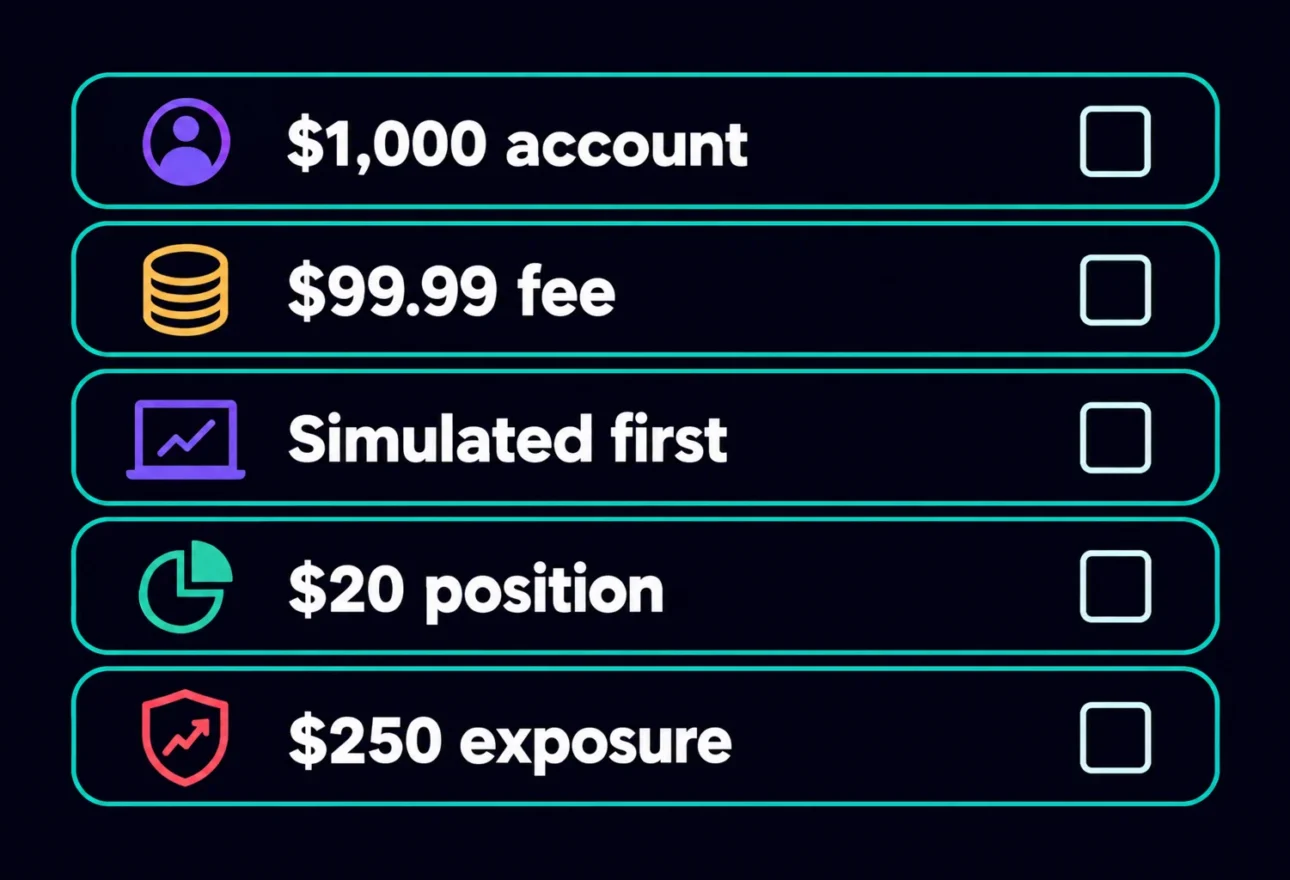
- $1,000 account: $99.99 one-time platform fee.
- $2,000 account: $199.99 one-time platform fee.
- $5,000 account: $499.99 one-time platform fee.
- $10,000 account: $999.99 one-time platform fee.
Treat the fee as a purchasing decision, not a return forecast. Ask whether you can afford the expense without needing performance rewards to recover it. A larger account increases the purchase cost; it does not resolve weaknesses in market selection, execution or discipline.
Compare the complete workflow cost, too. In its guidance on trading systems, the CFTC explains that system subscriptions, required data feeds, commissions and fees can raise the break-even point. That guidance concerns commodity trading systems, but the budgeting lesson is useful here: include any separately purchased research or software rather than comparing account fees alone.
What capital and tools do you actually receive?
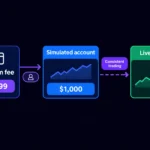
OddsFantasy funded accounts are instant, with no evaluation challenge. Traders start on simulated capital from day one. Instant access therefore means access to the funded account’s simulated starting stage, not immediate access to live capital.
OddsFantasy moves funded traders who stay within the account rules and trade consistently up to live capital on prediction markets. On live capital, traders keep up to 90% of the profits they generate as performance rewards. That percentage is a reward-sharing term, not an expected return or guaranteed income.
Every account includes the OddsFantasy trading terminal and full trading education library. The $1,000 account and larger also include AI-assisted trading, Positive EV signals and premium support. Count those inclusions as benefits only if they serve a defined part of your process; their presence does not establish that a position will be profitable.
Keep simulation and live readiness separate. The CFTC’s trading-system guidance warns that hypothetical results may not adequately reflect a trader’s ability to absorb losses or meet margin calls. That warning is not a description of OddsFantasy’s account mechanics; it explains why a simulated record cannot fully demonstrate live decision-making.
Will the fixed risk rules fit your positions?
Every OddsFantasy funded account has the same three risk rules:
- Maximum position size: 2%.
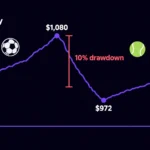
- Maximum drawdown: 10%.
- Maximum exposure: 25%.
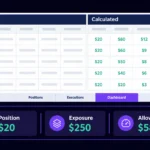
Example: a $1,000 account. Using the starting account size as the worksheet reference, 2% equals $20 and 25% equals $250. These figures help you test whether your usual individual positions and combined exposure fit the account’s scale. They are ceilings for comparison, not recommended trading targets.
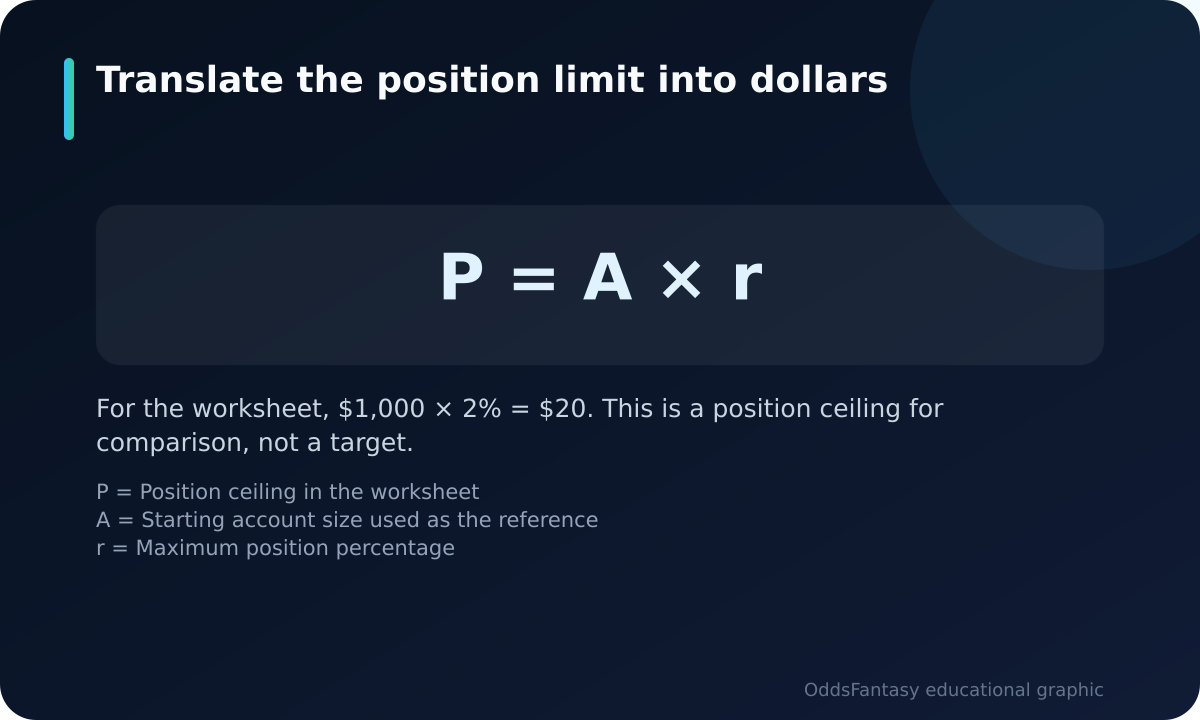
If your normal position is $40, that position would exceed the $20 worksheet ceiling. If you routinely need $300 of simultaneous exposure, that exceeds the $250 reference. Reducing size may make the process compatible, but only if the smaller positions still let you execute it sensibly. Do not assume that increasing the account size fixes a process that requires more than the percentage limits allow.
The 10% maximum drawdown also needs to fit your approach to losing sequences. Read the Terms and Conditions published at trade.oddsfantasy.com for how drawdown, position size and exposure are calculated and applied, and for the account’s governing conditions.
How do you complete a process-fit worksheet?
Use your existing trade records and actual spending budget rather than best-case estimates. If you cannot answer a row, mark it unresolved instead of filling the gap with an earnings assumption.
- Fee budget: write down the one-time platform fee and any separate tools you intend to keep. State whether you can afford that expense without recovering it through trading.
- Starting stage: write “simulated capital first.” Confirm that practicing within the program’s rules is useful to you even before any move to live capital.
- Position fit: compare your normal and largest planned positions with the 2% maximum. Record what you would change, rather than merely promising to trade smaller.
- Exposure fit: list positions that could be open together, including positions on the same match or related outcomes. Compare the combined requirement with the 25% maximum.
- Loss tolerance: review losing sequences and your response to them. Identify whether your process can remain disciplined within a 10% maximum drawdown.
- Operational fit: name the hours you can monitor positions, the tools you actually need and the reason you would choose this account over continued practice or independent trading.
What should the worksheet’s decision be?
- Consider a funded account when the fee is affordable, simulation is acceptable and your existing process fits the rules without major changes.
- Continue practicing when you cannot yet describe your sizing, exposure or response to losses.
- Consider independent trading when control over your own capital and sizing matters more than the program’s structure and route to live capital.
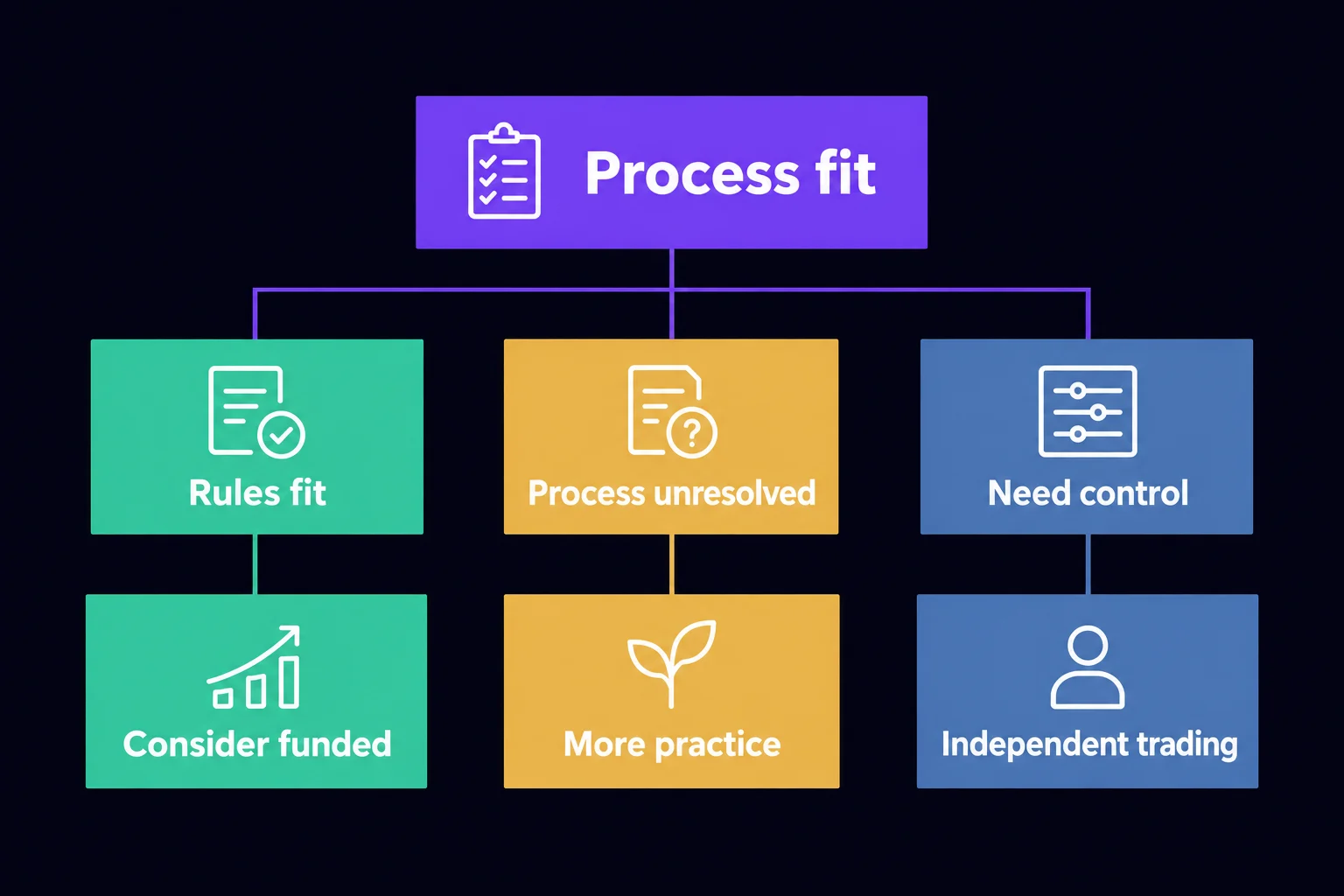
Do not turn this into a points-based approval score. An unaffordable fee or a fundamental conflict with the risk rules is enough to pause, even if the tools and other features appeal to you.
When might practice or independent trading be better?
When is more practice the better choice?
Choose more practice when the unresolved issue is your process rather than access to capital. Examples include repeatedly changing position size after losses, entering markets without a clear reason or being unable to reconstruct total exposure. Paying for a larger account does not answer those questions. First test whether you can follow written decisions through both favorable and unfavorable outcomes.
When might independent trading fit better?
Independent trading may fit better when you want to determine your own capital allocation without a funded program’s progression conditions. You also bear the losses on your positions and must assess the venue’s rules, transaction costs and any tools you purchase. Independence offers flexibility, not protection from poor decisions.
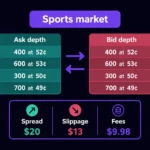
Include time in either comparison. FINRA’s guidance on frequent intraday trading highlights sustained attention, higher costs and potential tax implications. That guidance concerns securities trading; the practical question for a sports-market workflow is whether you can reliably monitor positions when your process requires it.
What should you confirm before paying?
Keep a written record of the fee, included services, starting stage, risk limits and progression conditions you reviewed. The FTC advises getting investment details in writing and warns against offers promising high returns with little effort or risk. Evaluate the actual terms, not an appealing income scenario.
Compare the OddsFantasy funded accounts against your completed worksheet. If the included tools matter to your process, review the $1,000 funded account specifically. Choose an account only when its cost and restrictions fit how you intend to trade—not because its headline size makes a return projection look attractive.
Frequently asked questions
Are OddsFantasy funded accounts live from the start?
No. OddsFantasy funded accounts start on simulated capital from day one, with no evaluation challenge. Traders who stay within the account rules and trade consistently move up to live capital on prediction markets.
What are the main disadvantages of a funded trading account?
The main trade-offs are the upfront fee, fixed position and exposure limits, maximum drawdown restrictions and conditions for accessing live capital. These can make an account unsuitable even when its included tools are useful.
What risk limits apply to OddsFantasy funded accounts?
Every account has a 2% maximum position size, a 10% maximum drawdown and a 25% maximum exposure. The Terms and Conditions govern how these rules apply.
Does a larger funded account mean higher expected earnings?
No. Account size does not establish a strategy’s profitability or a trader’s ability to follow it. Compare the fee, risk limits and operational requirements with your process instead of projecting earnings from the account balance.
Sources
- Polymarket Help Center: Trading Fees | Polymarket Help Center
- Commodity Futures Trading Commission (CFTC): Commodity Trading Systems Sold on the Internet | CFTC
- Kalshi: Fees | Kalshi Help Center
- FINRA: Frequent Intraday Trading: Understanding the Basics | Syndication
- Federal Trade Commission: Investment Scams
Trade responsibly: only trade what you can afford to lose. 18+.