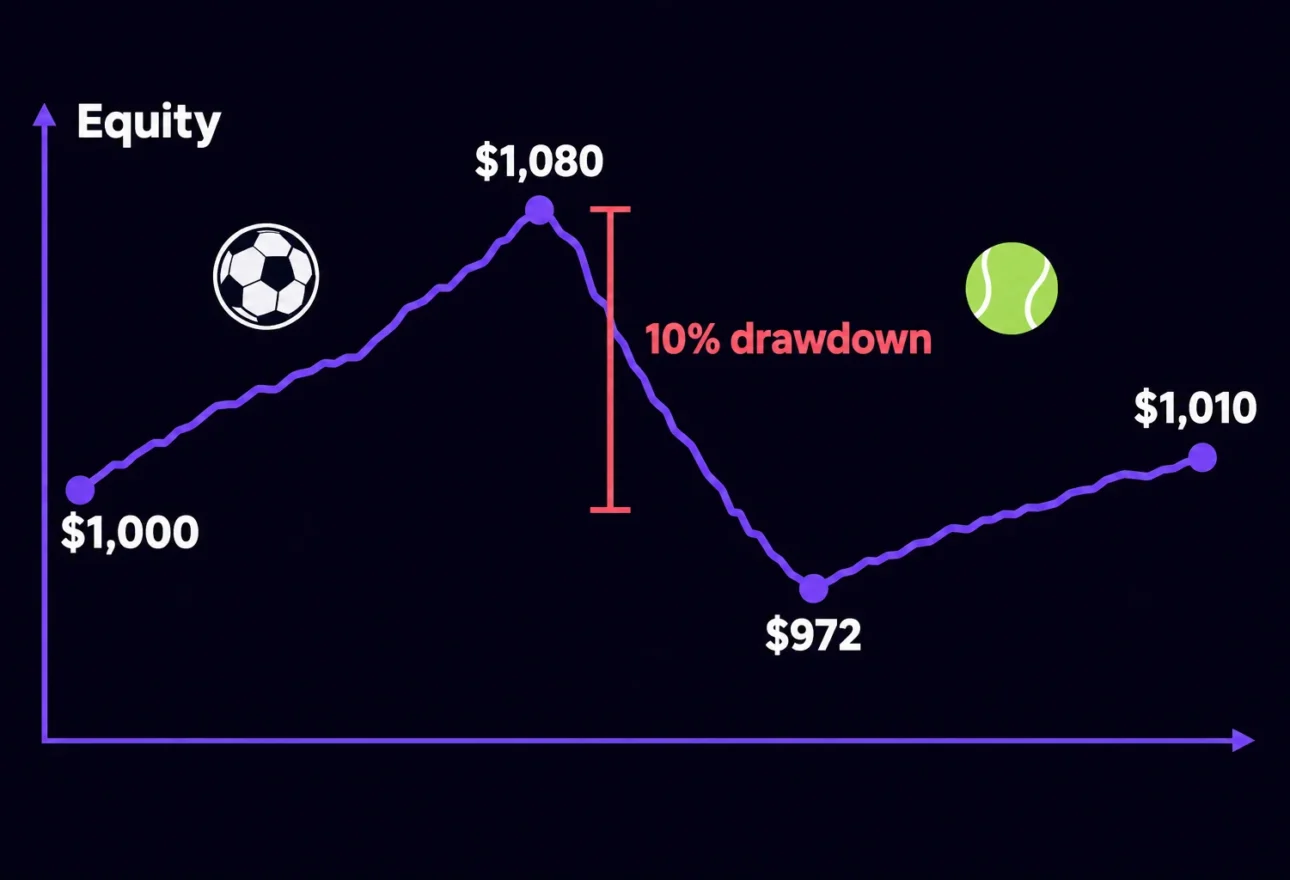
What Is Max Drawdown in Trading? Measurement vs Account Limits
Maximum drawdown measures the largest peak-to-trough equity decline. Learn the calculation, why measurement frequency matters, and how a funded account’s enforced limit differs.



Maximum drawdown measures the largest peak-to-trough equity decline. Learn the calculation, why measurement frequency matters, and how a funded account’s enforced limit differs.
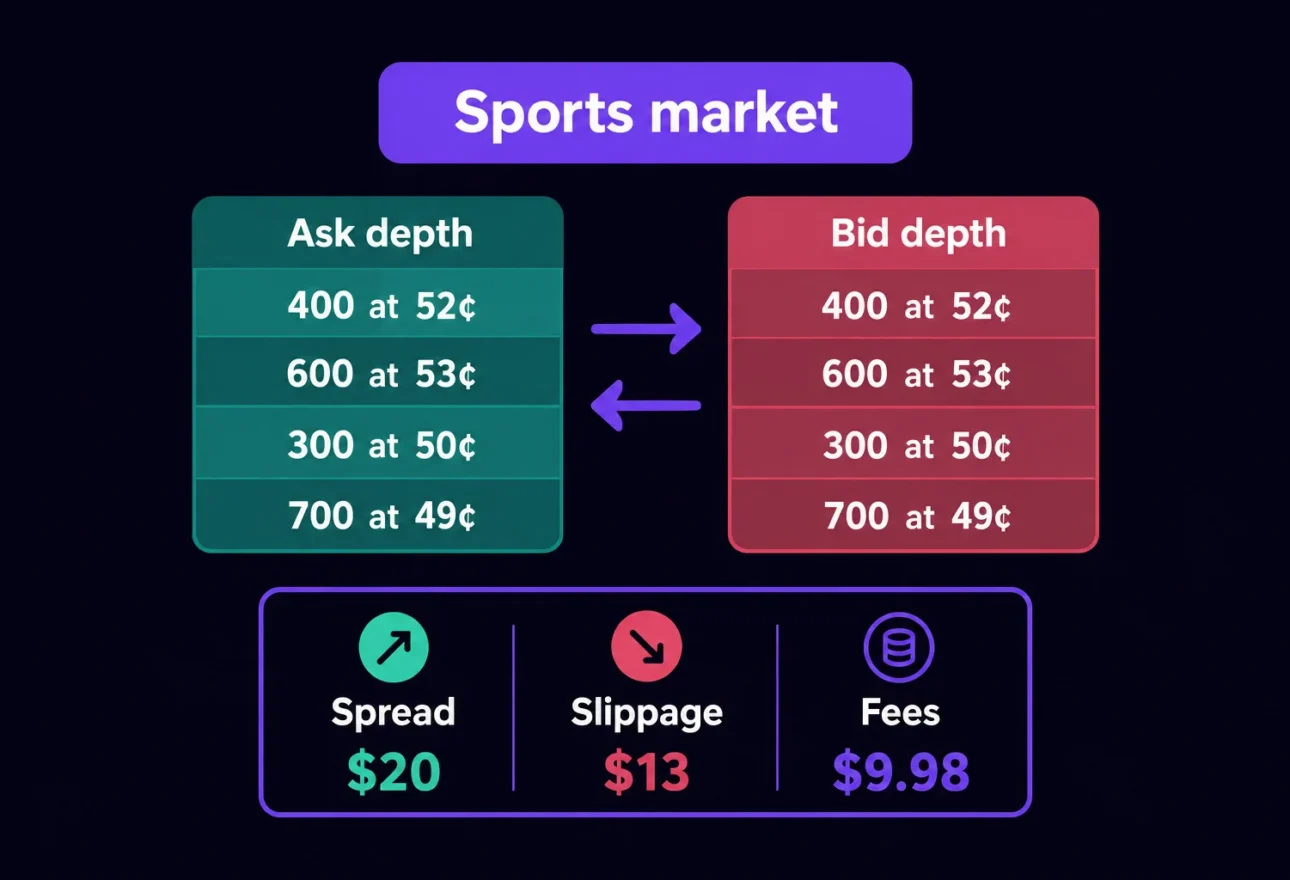
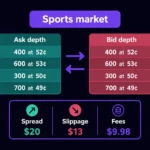
The displayed price is only part of your execution cost. Learn how spreads, order-book depth, order choice and applicable fees affect the cost of entering and exiting a Polymarket position.
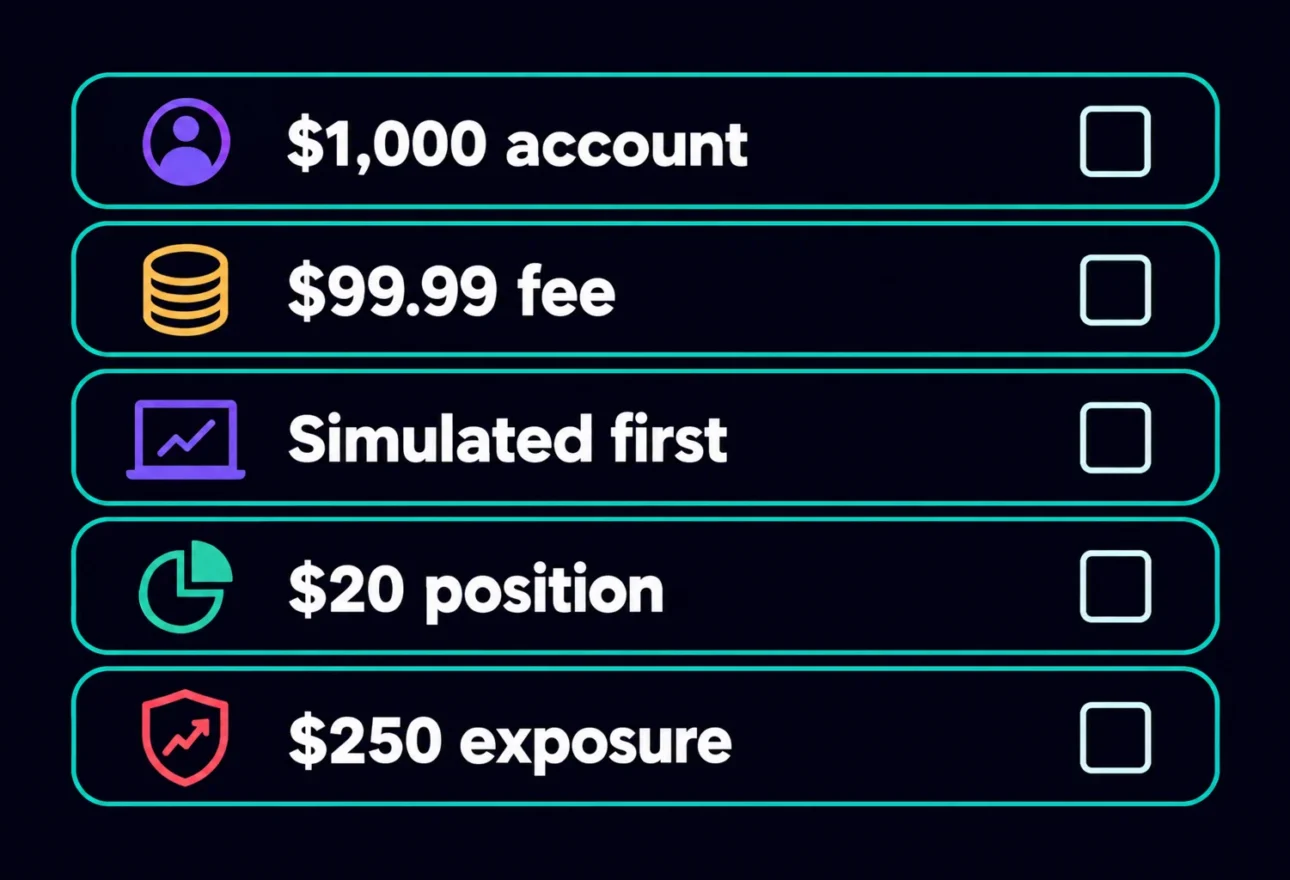
Use a practical worksheet to weigh funded trading fees, risk limits and capital access against practice and independent trading—without relying on earnings projections.
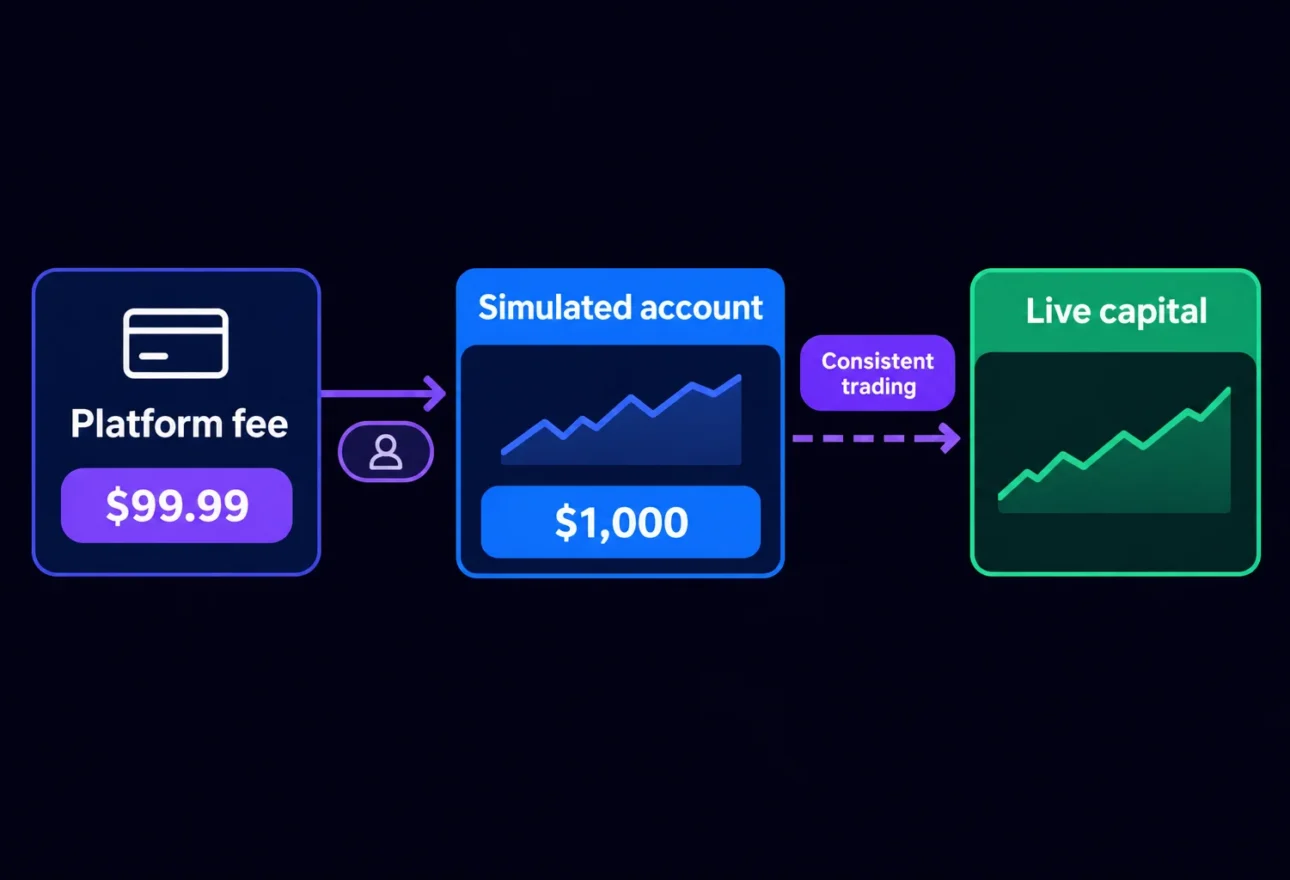
Separate platform-fee revenue from live trading revenue, understand what simulated accounts provide, and see how OddsFantasy’s one-time-fee model works.
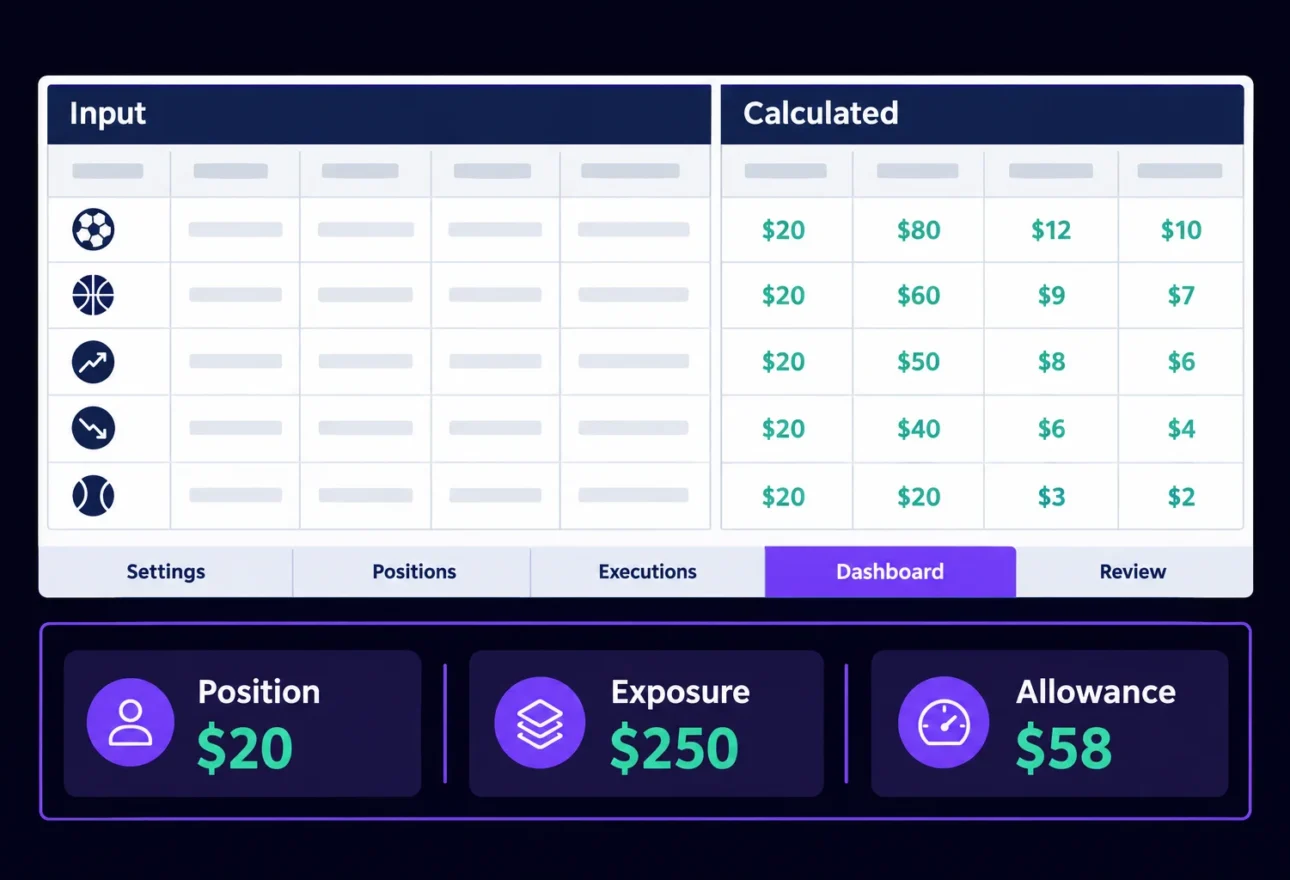
Build an Excel or Google Sheets journal that separates position size, open exposure, execution costs and remaining drawdown allowance, with practical funded-account checks.
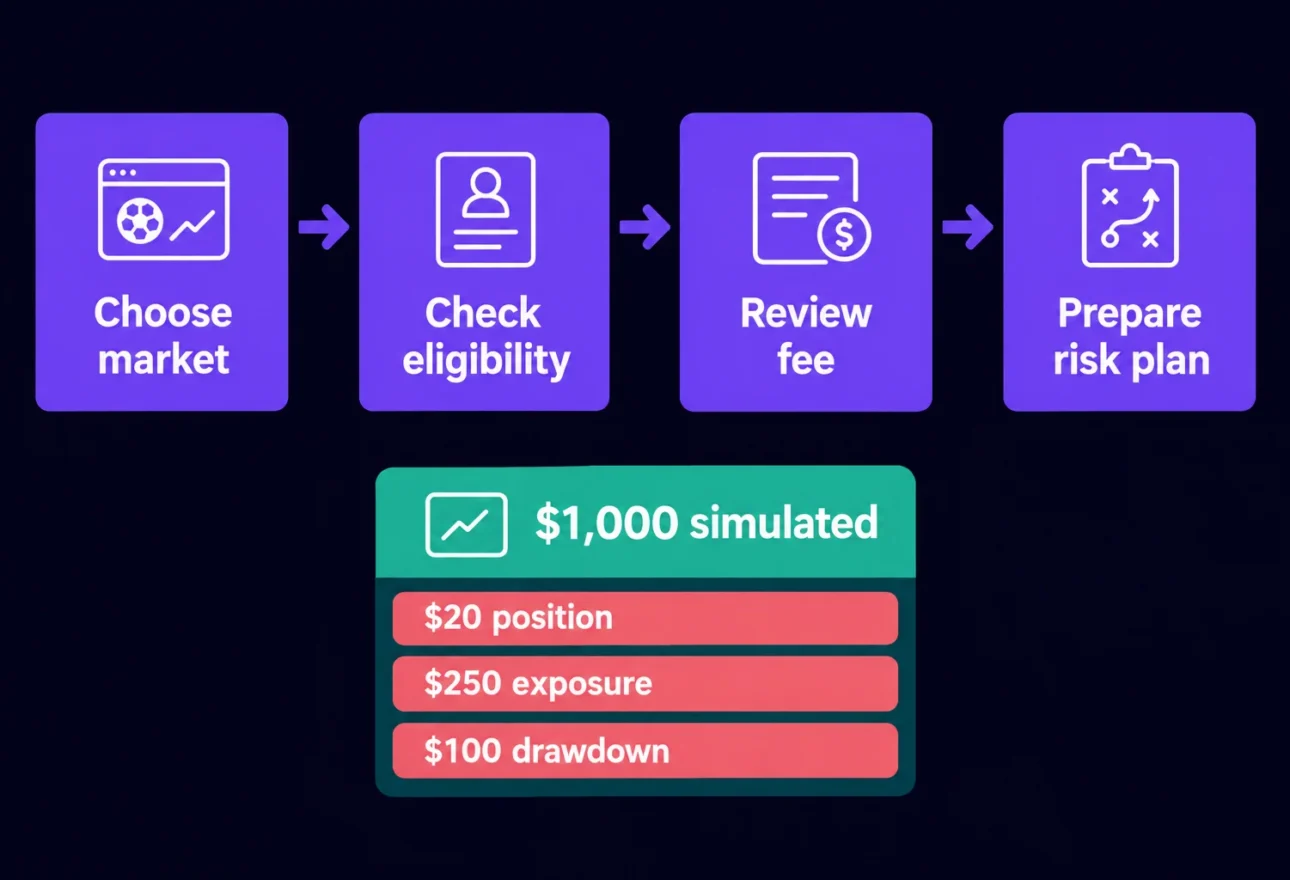
Choose a market, check eligibility and fees, and prepare a risk plan before applying. Here is the practical route for sports and prediction-market traders, including how OddsFantasy’s simulated-first accounts work.
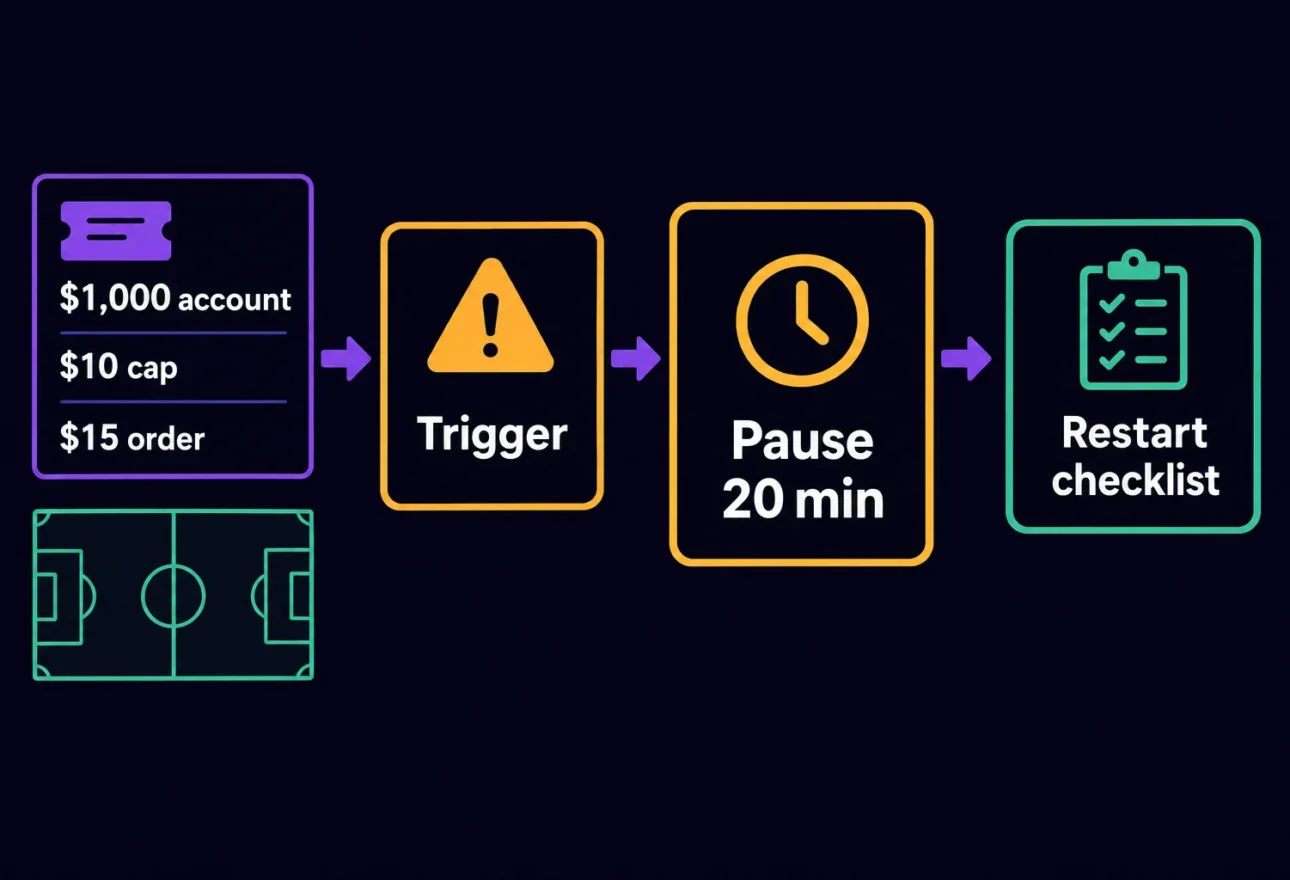
Separate emotional stop conditions from account limits, then use observable triggers, mandatory pauses and a written restart checklist to interrupt chasing.
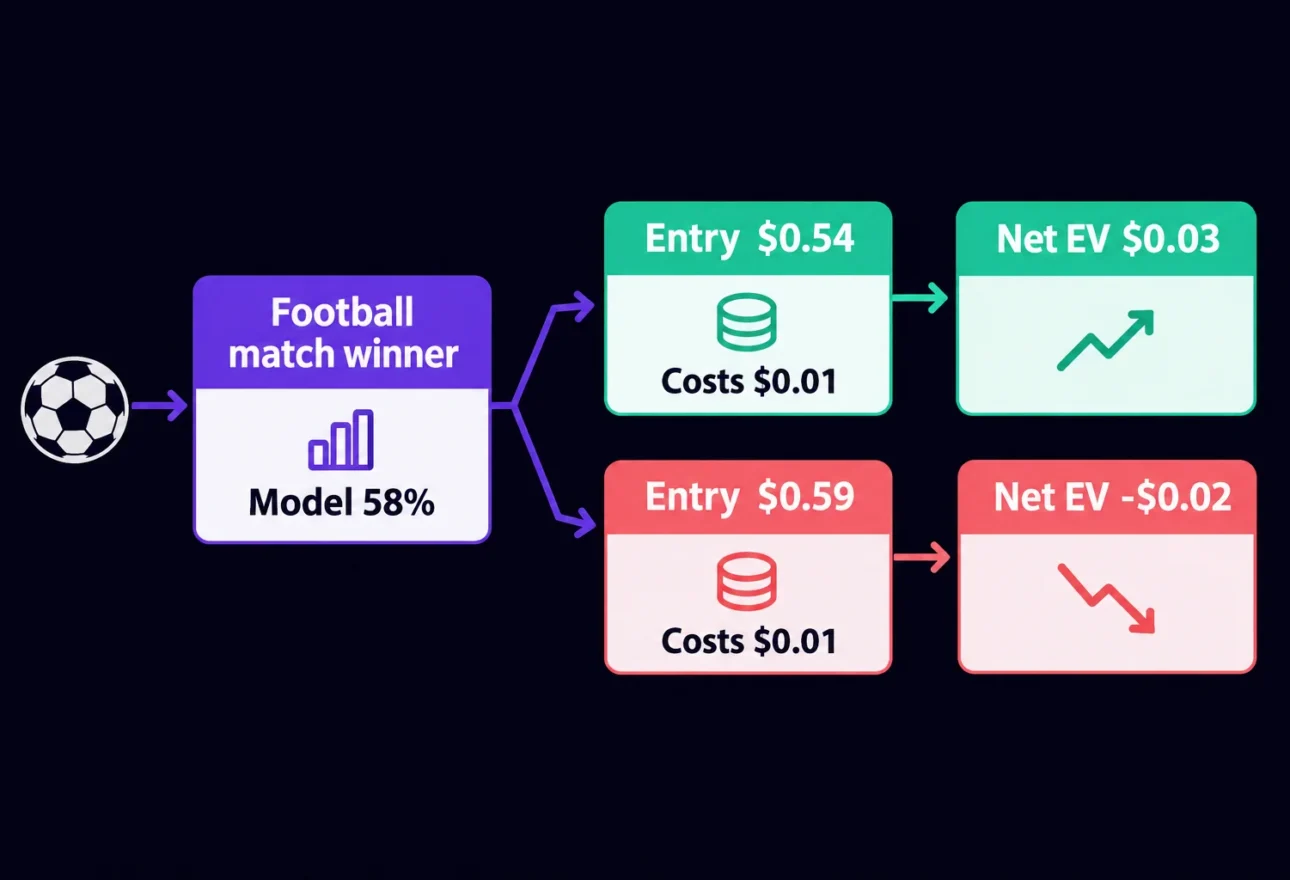
Turn model signals into controlled orders by testing executable prices, liquidity, partial fills and settlement rules before increasing exposure.
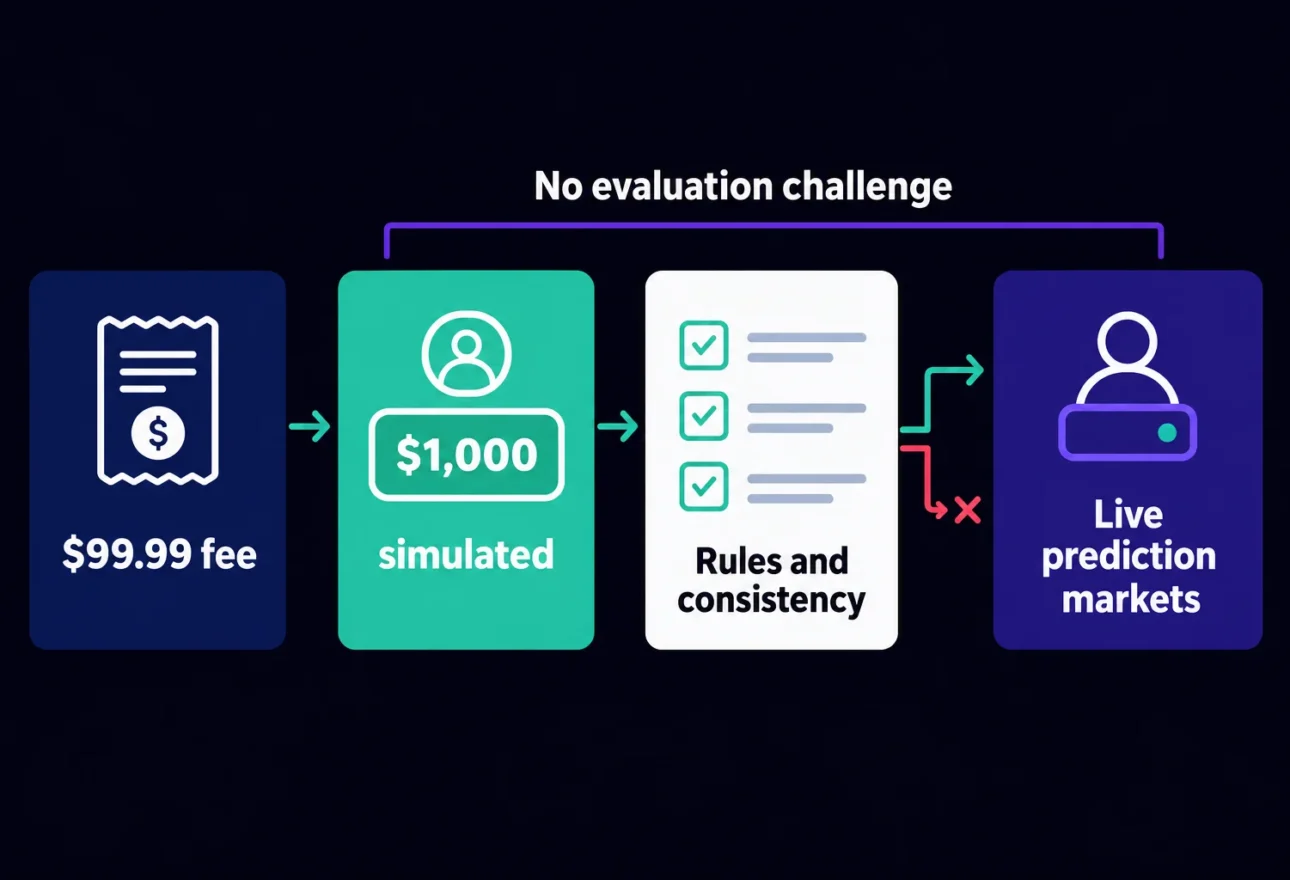
Instant funding skips the evaluation challenge, not the account rules. Learn how fees, simulated capital, risk limits and progression work using OddsFantasy as an example.

Before funding an automated strategy, check whether its exact execution method is permitted, whether the markets and order access fit, and whether risk controls can stop breaches before orders are sent.
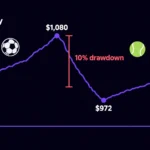
What Is Max Drawdown in Trading? Measurement vs Account Limits
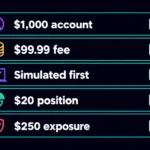
Funded Trading Account Pros and Cons: Does Your Process Fit?
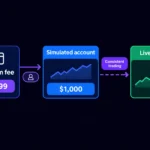
How Do Prop Firms Make Money? Fees, Simulation and Live Trading
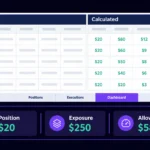
Build a Trading Journal Template for Sports and Prediction Markets