What Should a Trading Journal Include? A Practical Review Guide
Record your reasoning, prices, position size, exposure and emotions before settlement. Then review execution and rule compliance separately from profit or loss.



Record your reasoning, prices, position size, exposure and emotions before settlement. Then review execution and rule compliance separately from profit or loss.
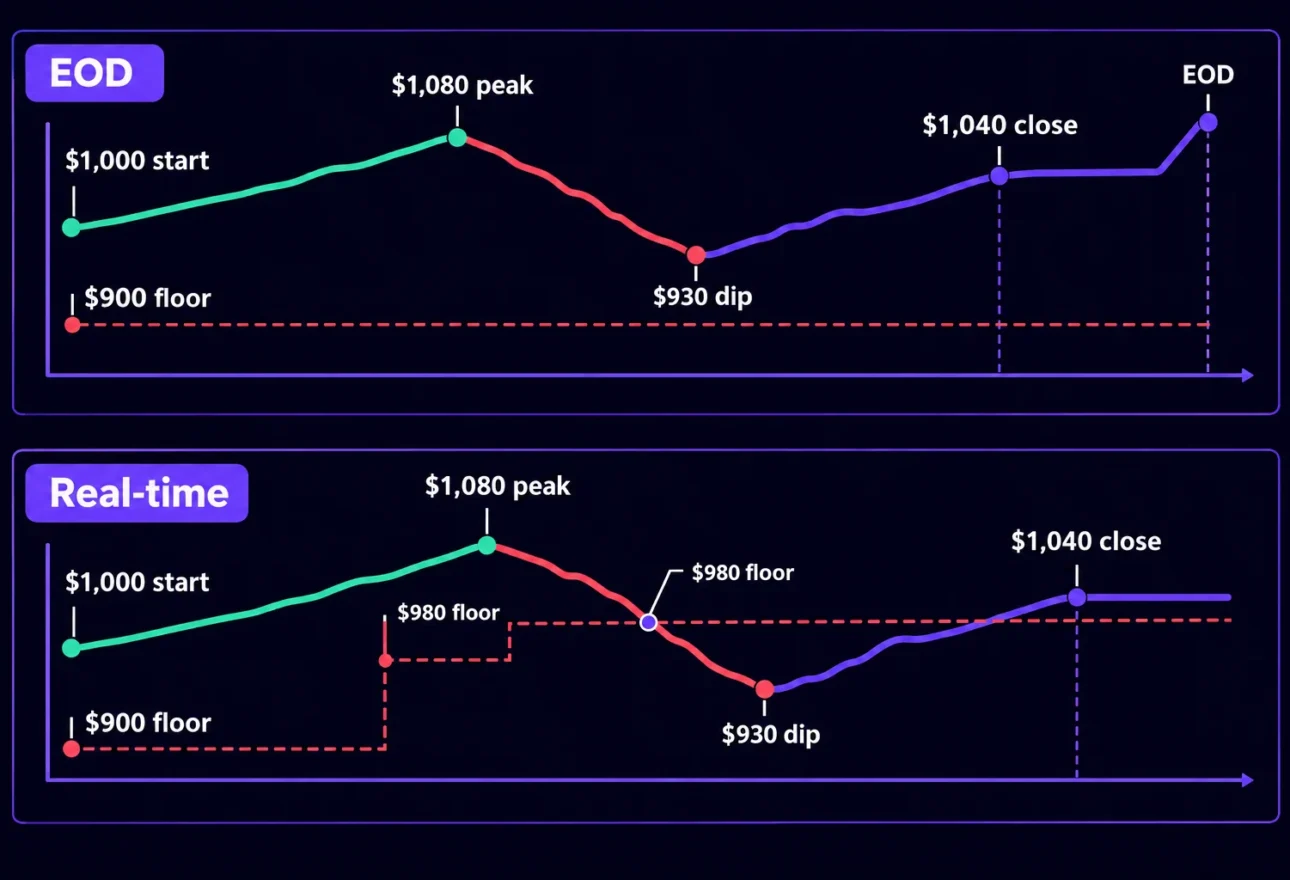
End-of-day drawdown describes when a trailing threshold updates—not necessarily when breaches are checked. Follow an account-equity example to understand the difference.
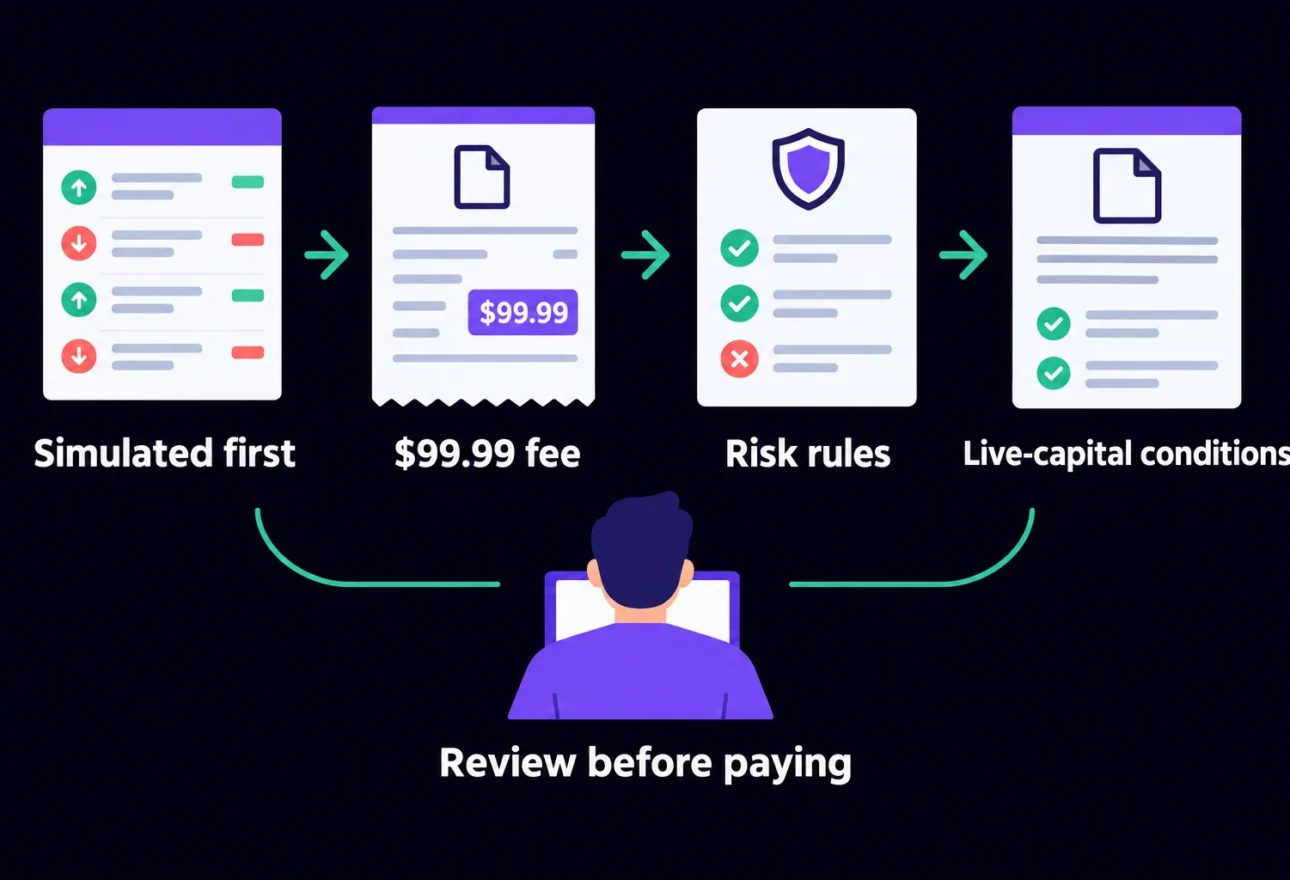
A funded account offer needs more than a convincing dashboard. Check the capital behind it, the full fee terms, account restrictions and performance-reward conditions before paying.
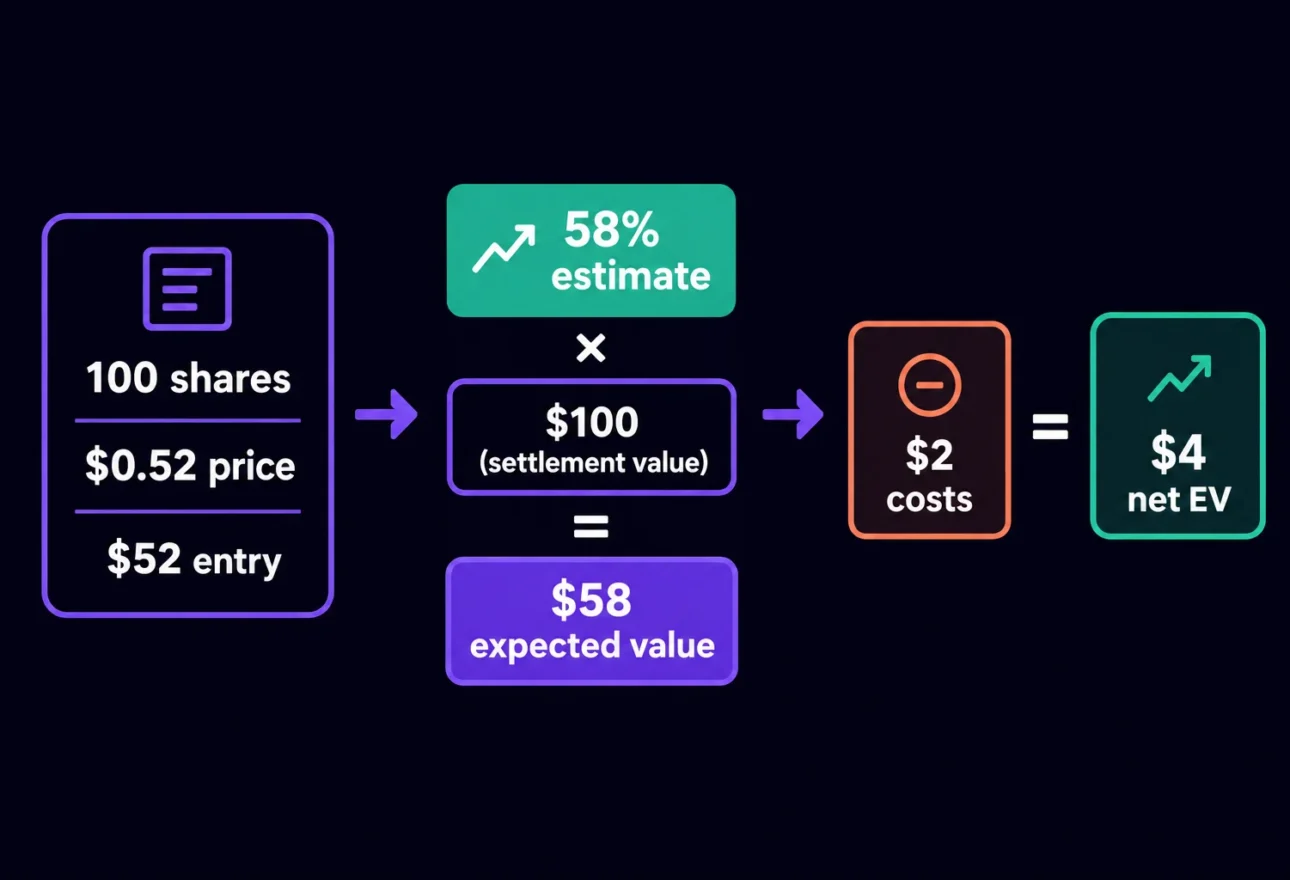
Learn how to calculate expected value for sports and prediction-market positions, subtract trading costs, and test whether your estimated edge survives uncertainty.
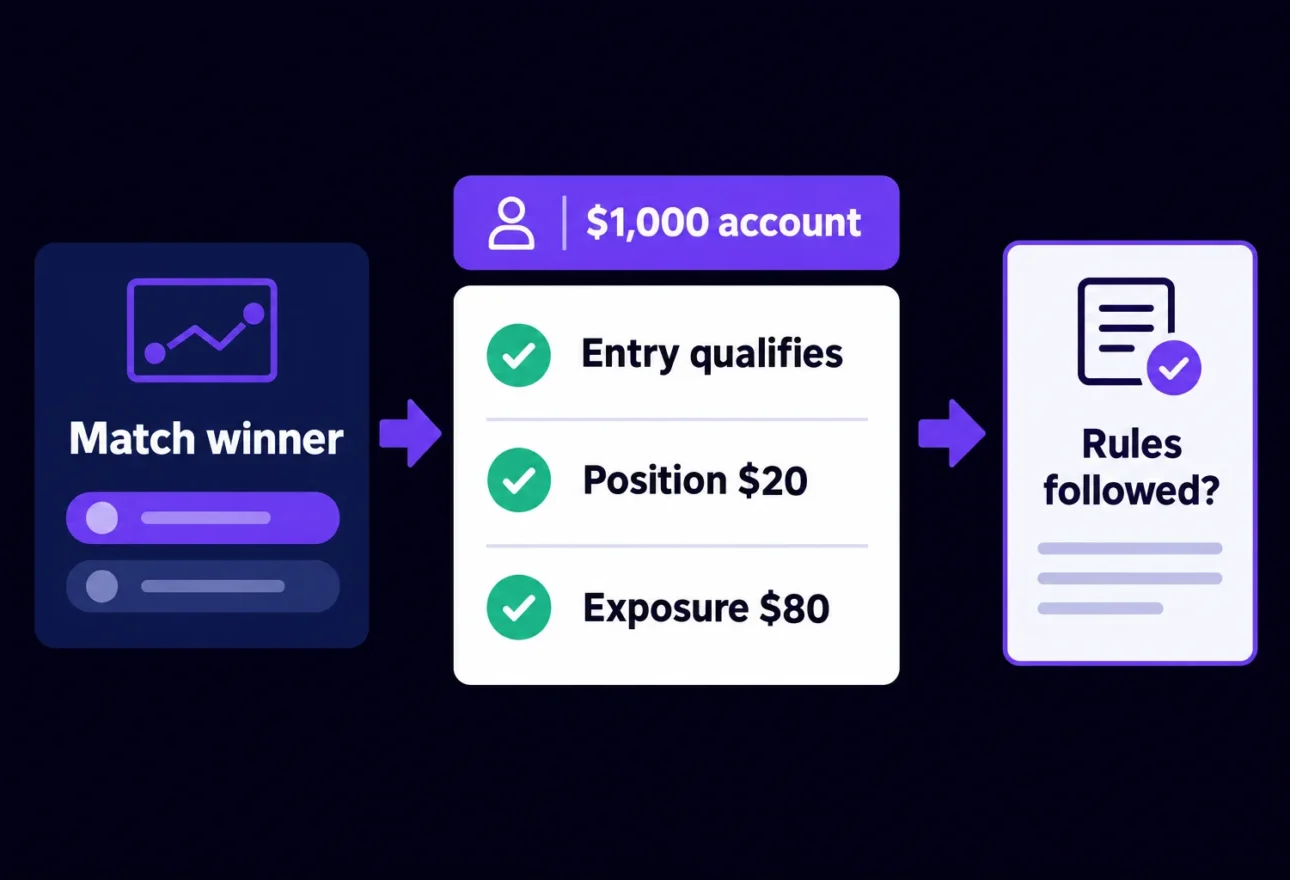
Build consistency with a written trading plan, controlled exposure and reviews that separate rule adherence from results. Use OddsFantasy’s funded-account limits as practical guardrails—not evidence of an edge.
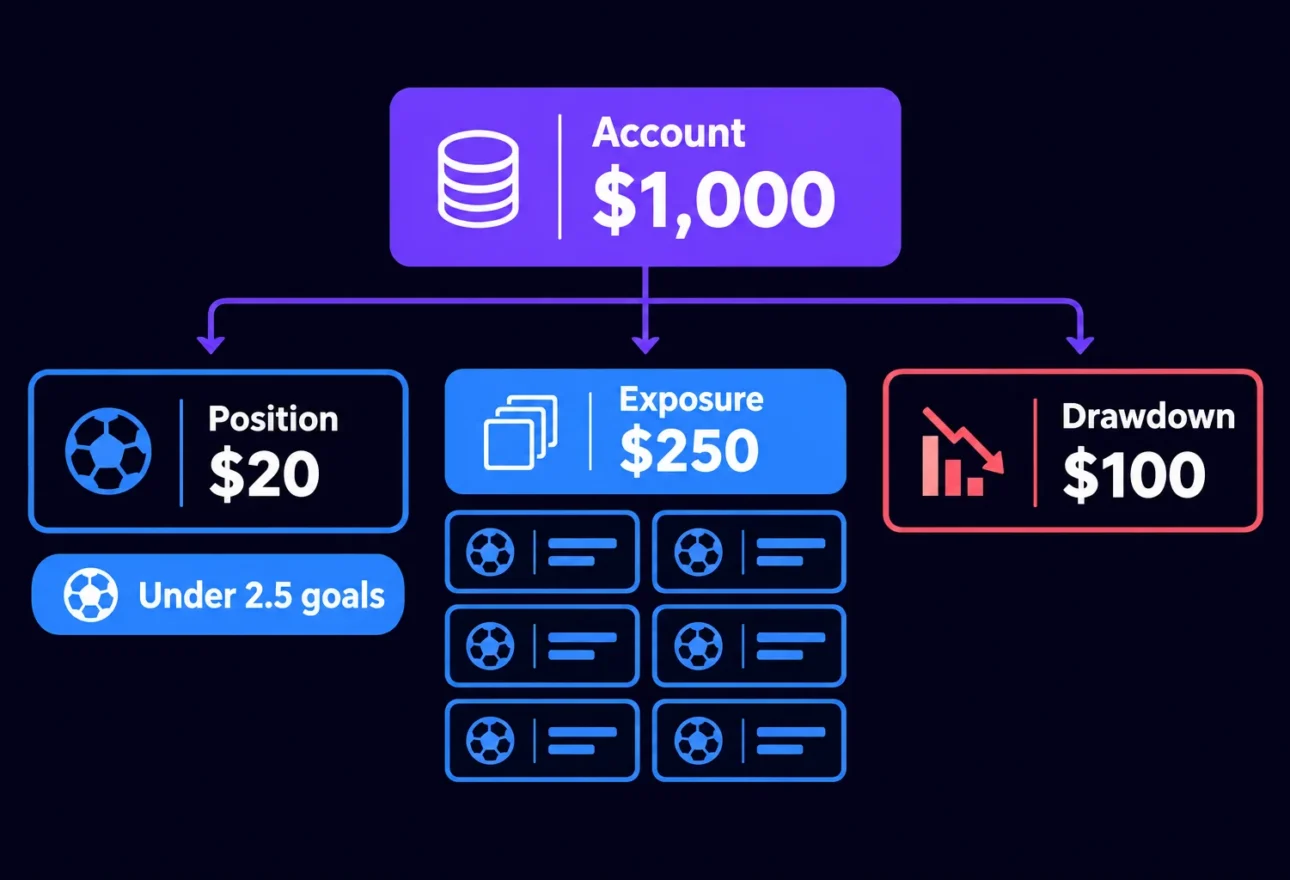
Daily, total, static and trailing drawdown limits can produce different account boundaries. Learn how to calculate your remaining risk budget and test a sports trading plan against funded-account rules.
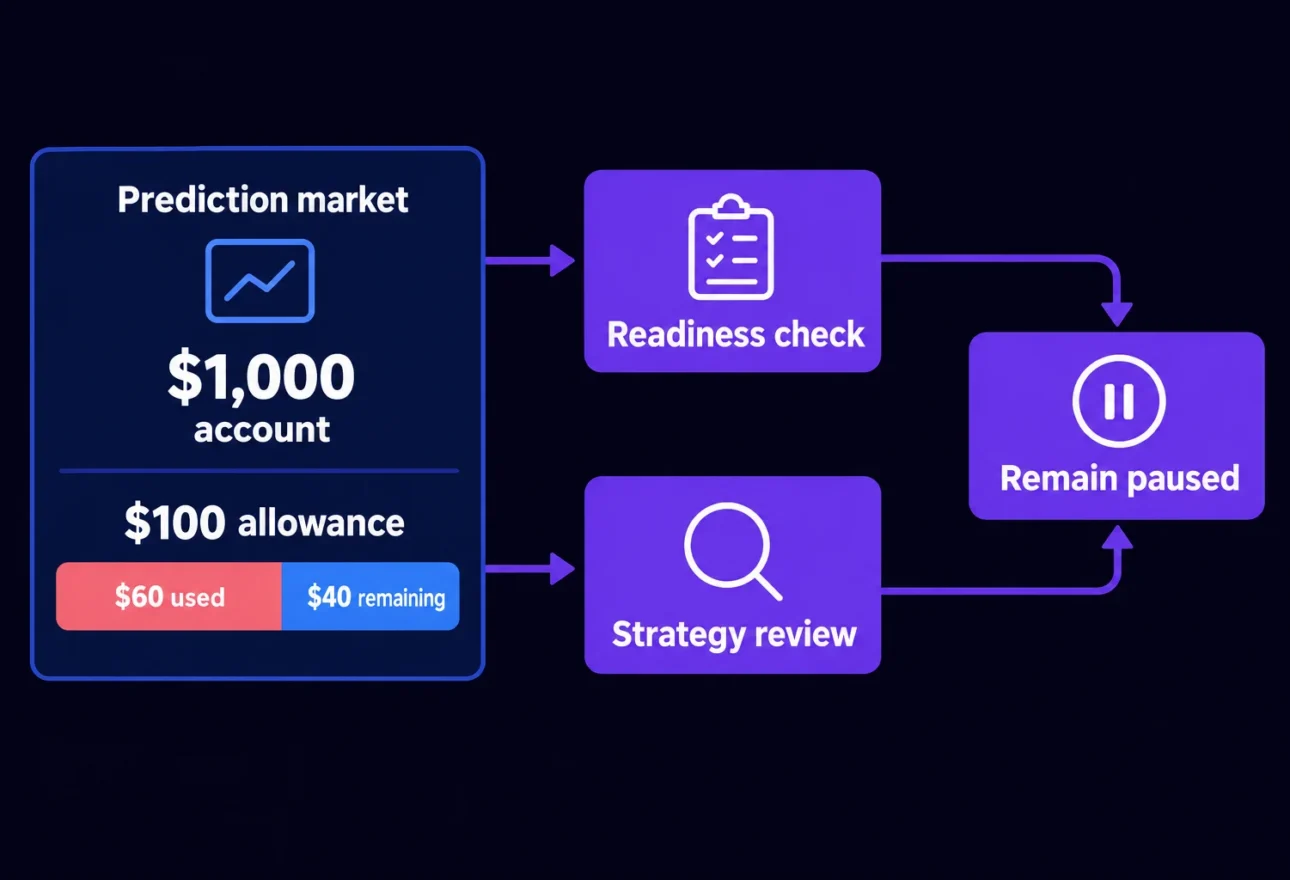
Separate emotional recovery from strategy review, then use a pause checklist, trade journal and risk-budget checks to decide whether trading should resume.
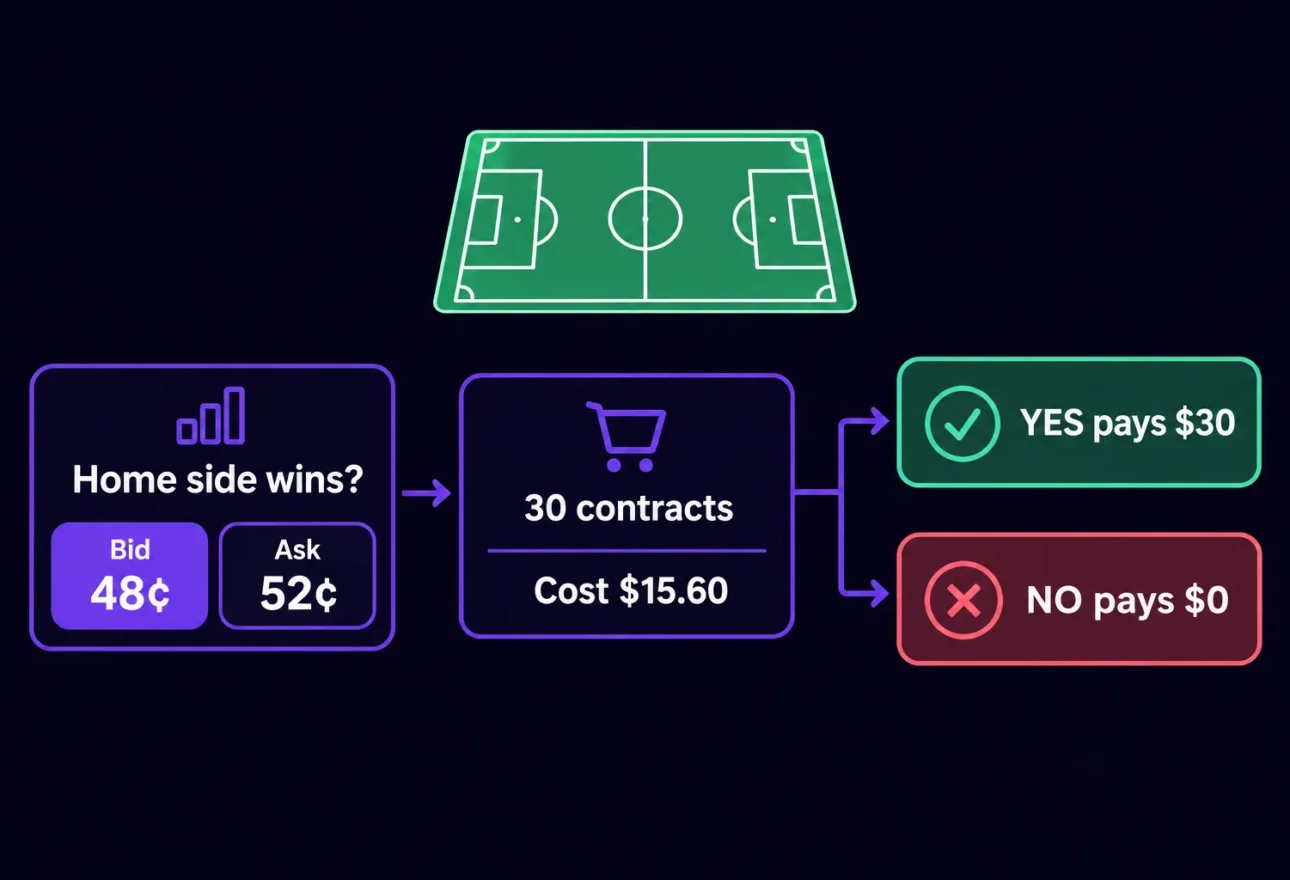
Learn how sports trading works through exchange odds and prediction-market examples, including order execution, settlement, expected value and the discipline funded accounts require.
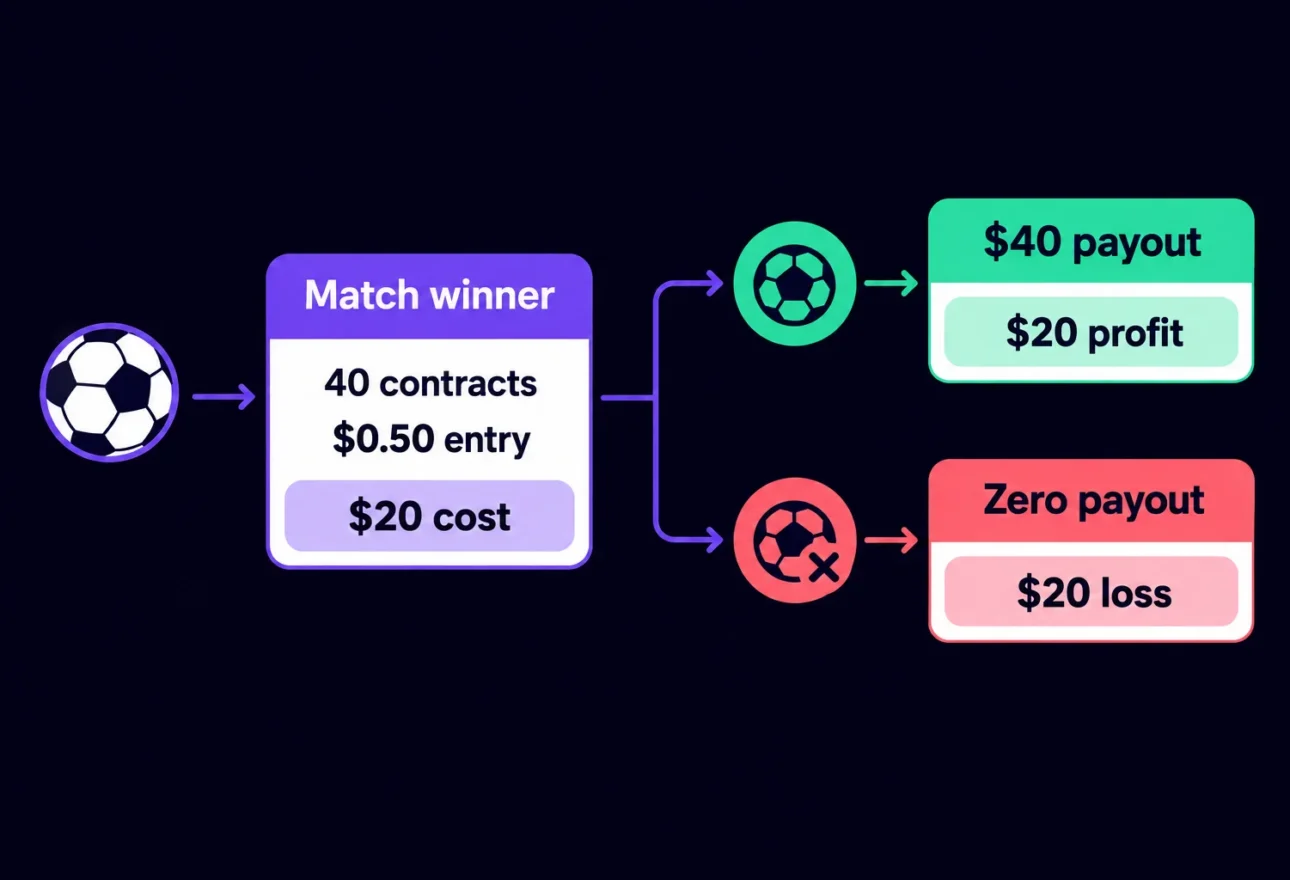
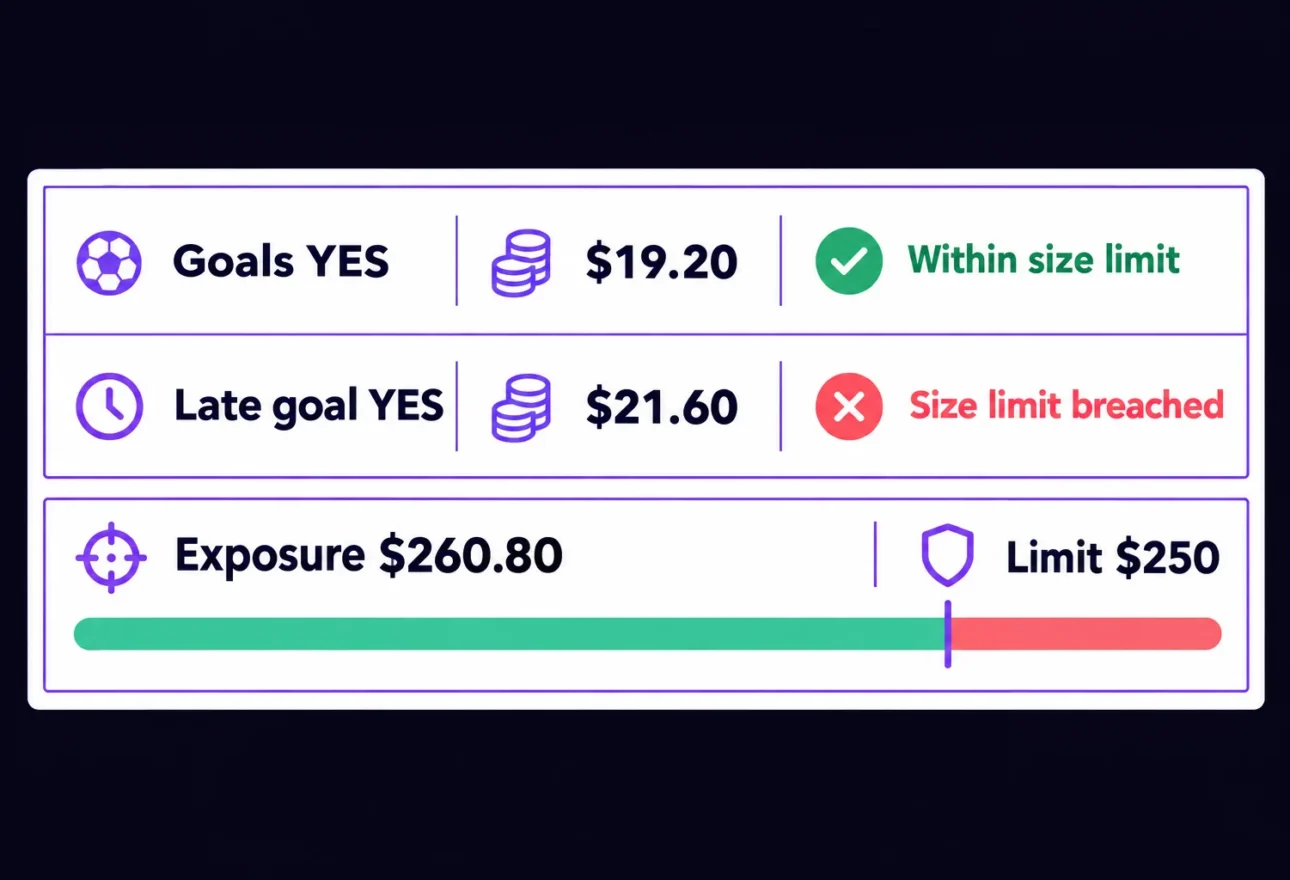
A position can fit the 2% size limit and still put an account’s remaining drawdown allowance at risk. Learn how to check position cost, total exposure and potential loss before entering a sports-contract trade.
Build a repeatable trading process: estimate probability, calculate an edge after costs, check available liquidity, and size positions within firm risk limits.
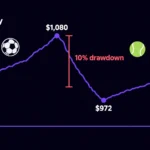
What Is Max Drawdown in Trading? Measurement vs Account Limits
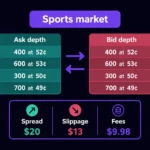
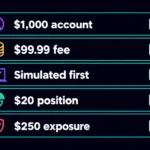
Funded Trading Account Pros and Cons: Does Your Process Fit?
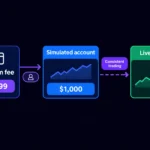
How Do Prop Firms Make Money? Fees, Simulation and Live Trading
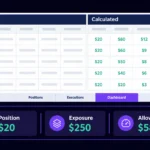
Build a Trading Journal Template for Sports and Prediction Markets